Key updates on F-Gas Regulation and future-proof refrigerants
The European F-Gas Regulation (EU 2024/573) has been tightened to further restrict the use of refrigerants with a high global warming potential (GWP). These measures are being introduced in phases, with the goal of achieving climate-neutral refrigeration technology by 2050.
Key figures:
To help bakeries prepare for the future, here are the most important updates in the new F-gas rules:
- From 2025: New restrictions apply to the use and maintenance of refrigeration systems containing certain F-gases.
- From 2030: Refrigerants such as R449A and similar medium-GWP blends will no longer be allowed in new installations (phase-out).
- Maintenance ban on high-GWP refrigerants: Virgin refrigerants with a GWP>750 will be prohibited for servicing stationary refrigeration systems (except chillers). This means that from 1 January 2032, systems operating on R449A may only be refilled with reclaimed refrigerant.
- Introduction of CO₂ tax: Refrigerants with a high CO₂-equivalent (GWP) will become significantly more expensive, making low-GWP alternatives financially more attractive.
At KOMA, we closely follow these developments and help bakeries transition to sustainable, future-proof refrigerants such as CO₂ and propane.
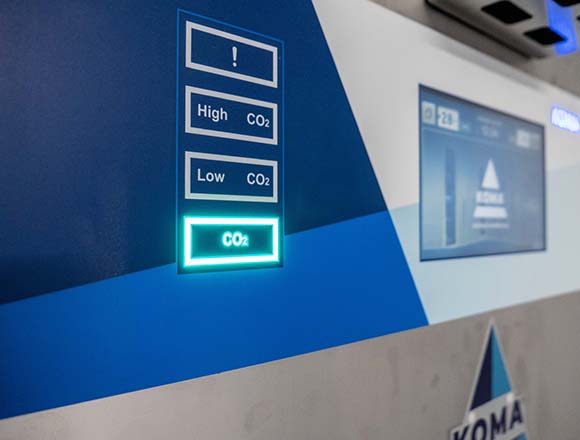
What’s changing under the new EU F-Gas Regulation?
Bans on New Systems
-
From January 2030: A maximum GWP of 150 will apply to all new refrigeration and freezing systems.
-
From January 2050: all F-gases will be prohibited in new refrigeration and freezing equipment.
Restrictions on Refilling and Maintenance
-
From January 2025: Refilling systems with refrigerants that have a GWP>2500 will be prohibited, unless the refrigerant is reclaimed or recycled.
-
From January 2032: This GWP limit will be further reduced to 750.
CO₂ Levy and Rising Costs
The CO₂ equivalent tax will make the use of HFC refrigerants increasingly expensive – especially those with a high GWP, such as R449A and R452A.
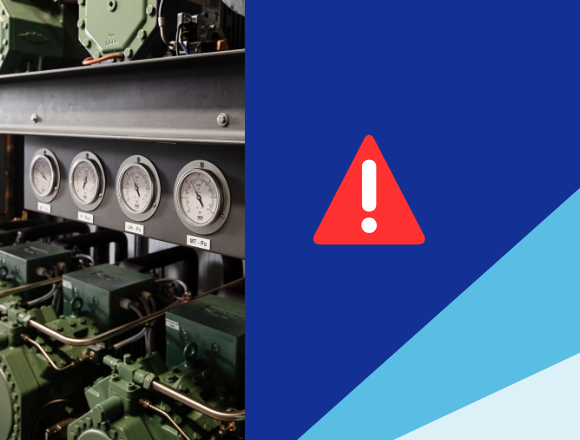
What does this mean for your installation?
If your system still operates with F-gases (e.g. R404A or R449A), the consequences can be significant:
-
Mandatory modification or replacement to comply with the new legislation.
-
Higher maintenance costs due to the CO₂ tax and scarcity of refrigerants.
-
Limited or no availability of refrigerants or spare parts in case of a breakdown.
-
In the long term, a necessary transition to natural refrigerants such as CO₂.